
Window Replacement in Twin Lakes, WI
New windows that fit the opening, seal tight against Wisconsin winters, and get installed by the same crew that measured them.
Windows
Windows that seal tight and open easy.
Windows do a lot of quiet work. They keep out wind and weather, bring in daylight, and give you a way out in an emergency. When they wear out, you notice drafts, fogged glass and sashes that stick or will not stay up. Pembroke Construction replaces windows for homeowners in Twin Lakes and the towns around it. One crew measures, installs and cleans up, so you are never chasing a handoff between companies.
A good replacement is more than a new unit dropped into an old hole. The glass package, the frame material and the way the window is flashed and sealed all decide how it performs. The U.S. Department of Energy points out that even an efficient window loses performance when it is installed poorly. We start with a free written estimate and a free design conversation, then help you pick what fits your house and your budget.

What we do
What we handle on a window replacement.
Here is what is included, so you know what you are getting before you call.
Full-frame window replacement
We take the old unit out to the rough opening, repair any rotted framing, then flash, insulate and install the new window.
Insert window replacement
When the existing frames are sound, a new window can go inside them. It is quicker and keeps your trim in place.
Egress and basement windows
We size escape windows to Wisconsin code: a clear opening of at least 20 by 24 inches, plus window wells that keep water out.
Bigger or new openings
Want more light? We can enlarge an opening or add a new one, with the framing and header built to suit the wall.
Flashing and air sealing
We seal the gap around the frame with low-expansion foam or backer rod and flexible sealant, and flash it as the maker directs.
Care with pre-1978 homes
EPA's lead rule covers window replacement in pre-1978 homes, even for small jobs. We go over the lead-safe steps with you first.
Signs it's time
How to tell it's time to call.
If a few of these sound like your place, it's worth a visit. We'll look at it and tell you straight what we would do.
- You feel cold air near the glass or see curtains move on windy days.
- Glass fogs or clouds between the panes and will not clear.
- Sashes stick, will not stay open, or will not lock.
- Wood frames or sills are soft, peeling or dark with rot.
- Frost or water collects on the frame or sill in winter.
How it works
How a window replacement goes, step by step.
From the first measurement to the final walk-through, you'll know what's happening and what comes next.
Measure and talk
We visit, look at every window, check the frames and walls around them, and ask what bothers you most. You get a free written estimate and a free design plan.
Choose your windows
We go over frame materials, glass packages and styles, and read the NFRC labels with you: U-factor, solar heat gain, air leakage and condensation resistance. Then we order to the measured sizes.
Permits and prep
Permits and inspections run through your local municipality, and we walk you through what is needed. In homes built before 1978, we talk through the federal lead-safe rules with you first.
Remove and inspect
The old window comes out and we look at what is behind it. Soft sills or framing get repaired before anything new goes in, because a new window cannot fix a wet wall.
Install, seal, finish
We set the window level, plumb and square, flash it, and leave about 1/4 to 1/2 inch around the frame for movement. Low-expansion foam and sealant close the gap, then trim goes on. We test every sash and sweep up.
Your options
Window frames, glass and styles
Frame, glass and style each change how a window looks, performs and ages.
Vinyl frames
No painting needed and good moisture resistance, according to the Department of Energy. Insulated vinyl beats standard vinyl and wood on heat loss.
Wood frames
Wood insulates well and suits older homes, but needs regular painting or staining. Aluminum or vinyl cladding on the outside cuts down that upkeep.
Fiberglass frames
Stable through temperature swings, with hollow cavities that can be filled with insulation. The Department of Energy rates its thermal performance above wood or uninsulated vinyl.
Low-e glass and gas fills
A thin coating and argon between the panes slow heat loss, which matters most in a cold climate like ours. Ask for whole-unit ratings, not just center-of-glass.
Window styles
Double-hung, casement, slider and picture windows each open differently. For escape windows, hardware and stops cannot cut into the code-required opening, so style matters.
Local know-how
Built for Wisconsin.
Winters here are hard on windows. Condensation shows up when warm, moist indoor air meets cold glass. Iowa State University Extension says that with a house at 70 degrees F and 35 percent humidity, single-pane glass fogs near 30 degrees outside and double-pane only below 0, and it suggests 30 to 40 percent humidity in winter. Air leaks chill the glass and make it worse. For cold climates, the Department of Energy points to a low U-factor and gas-filled, low-e glass.
Wisconsin's Uniform Dwelling Code for one- and two-family homes is enforced locally, by a city, village or town, by the county, or by an inspector the state appoints. For exit windows, SPS 321.03 sets a clear opening of at least 20 by 24 inches and sill-height limits, and sashes or stops cannot cut into it. Permit needs depend on your municipality, and we walk you through them. If your home predates 1978, federal lead rules cover window replacement at any size.
Questions
Windows questions.
The things homeowners ask us most about this work. Don't see yours? Just call.
Prefer to talk it through? Call and ask for a free estimate.
Do I need a permit to replace windows?
It depends on your municipality and the scope of the job. Permits and inspections go through the local building department, and rules differ from town to town and between Wisconsin and Illinois. We walk you through what your town requires before work starts. Changing the size of an opening is a bigger step than swapping for the same size, so tell us early if you want that.
Should I choose insert or full-frame replacement?
An insert goes inside the existing frame, so it is quicker and keeps your trim, but the old frame and whatever is behind it stay. Full-frame replacement goes out to the rough opening, so we can check for rot, flash the opening and fill the gap with low-expansion foam. Either way, ENERGY STAR advises sealing the space around the frame. We look at your frames and tell you which fits.
Is lead paint a concern with older windows?
It can be in homes built before 1978. Under EPA's Renovation, Repair and Painting rule, anyone paid to disturb paint there must be a certified firm using lead-safe work practices, and window replacement is covered at any size. Those practices include taped plastic on floors, no open-flame burning, no heat guns above 1,100 degrees F and HEPA cleanup. Ask any contractor to show their certification.
What do the numbers on the window label mean?
The NFRC label lists U-factor (how easily heat passes through; lower is better in the cold), solar heat gain, visible transmittance, air leakage and condensation resistance. Compare whole-unit values, not center-of-glass. ENERGY STAR sets limits by climate zone. For its Northern zone, version 7.0 asks for a U-factor of 0.22 or lower with solar heat gain of at least 0.17. Check your county in its Climate Zone Finder.
Can windows be replaced in winter?
Sometimes, depending on the weather and the job. Caulks and foams list a working temperature range on their labels, and we do not want a window sitting open to a hard freeze. When we schedule your project, we will tell you plainly what is realistic for the week we are talking about.
Will new windows stop condensation?
They can help, but not always. Condensation comes from indoor humidity meeting cold glass, and air leaks chill the glass further. Better glass and a tighter install keep it warmer, so it takes colder weather to cause fogging. Iowa State Extension suggests winter humidity near 30 to 40 percent, and ENERGY STAR advises venting dryers and kitchen and bath fans outdoors. We can talk through your fogging at the estimate.
Related services
Often done together.
Most jobs touch more than one trade. One crew keeps them on the same schedule.
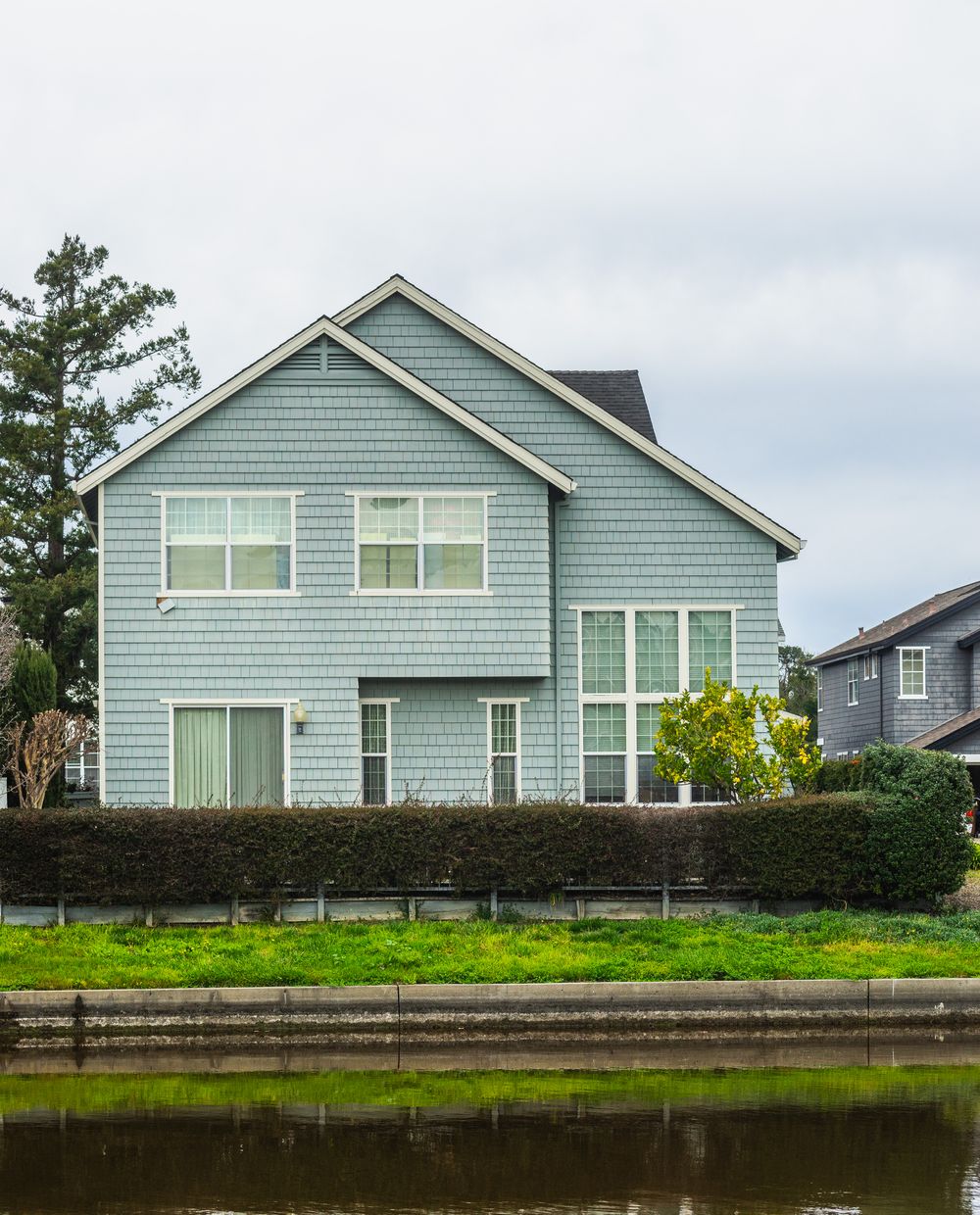
Siding
New siding and trim that sheds water, handles the weather and makes the house look sharp again.
Learn more
Painting
Careful prep, clean lines and finish coats that hold up, inside and out.
Learn more
Basement Finishing
Turn dead square footage into a family room, guest suite, gym or home office.
Learn moreWhere we work
Windows across Twin Lakes and 19 towns.
We work about 45 minutes out from Twin Lakes, in southeast Wisconsin and northern Illinois. Tap your town.
Where this information comes from
We checked the details on this page against public sources. Rules and fees change, so confirm anything specific with your local building office or with us.
- Wisconsin Administrative Code SPS 321.03, Exits and egress windows
- Wisconsin DSPS: UDC delegated municipalities and counties
- ENERGY STAR: Residential Windows, Doors, and Skylights Version 7.0 Final Specification
- ENERGY STAR: Residential Windows, Doors & Skylights
- ENERGY STAR: Climate Zone Finder for Windows, Doors and Skylights
- ENERGY STAR: Independently Tested and Certified Energy Performance (NFRC label)
- ENERGY STAR: Sealing Behind Window and Door Trim
- EPA: Renovation, Repair and Painting Program, Contractors
- EPA: Steps to Lead Safe Renovation, Repair and Painting (2026 booklet)
- U.S. Department of Energy: Energy-Efficient Windows
- U.S. Department of Energy: Window Types and Technologies
- Efficient Windows Collaborative: Ensure Proper Installation of Replacement Windows
- Building America: Air Sealing Windows for All Climates
- Iowa State University Extension: Winter Window Condensation

Free estimate
Ready to talk windows?
Tell us what you've got in mind. We'll set up a time to look at it, and you'll get the scope and price in writing, with the design work on us.
- Free written estimates and free designs
- Discounts for military, seniors, teachers, 1st responders and people with disabilities
- Twin Lakes, WI and about 45 minutes around it