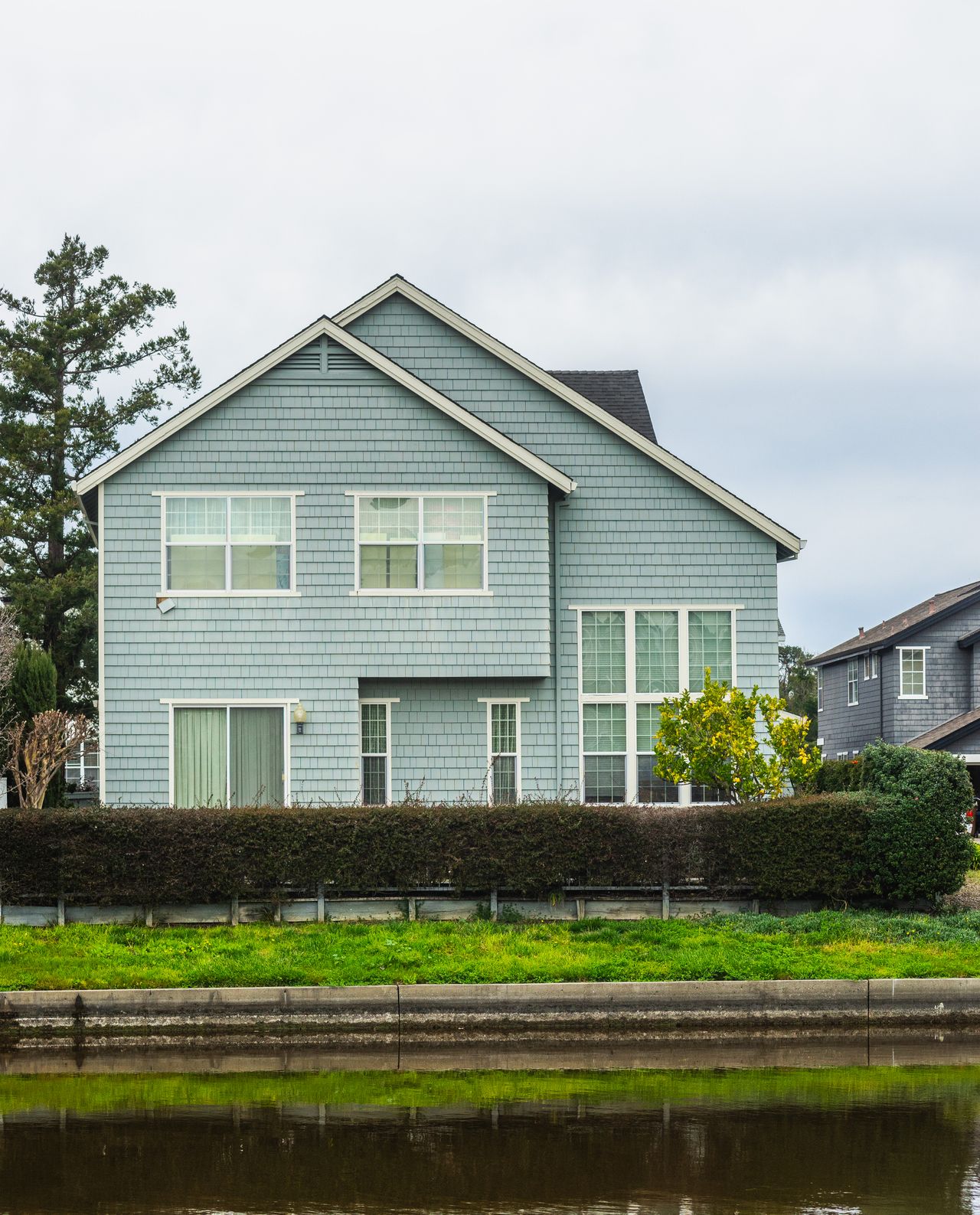
Siding Installation in Twin Lakes, WI
Siding that sheds water, handles Wisconsin temperature swings, and finishes clean around every window, corner and roofline.
Siding
Siding that sheds water and looks good.
Siding is the first thing people see and the last line of defense for your walls. When it cracks, buckles or lets water in, the damage rarely stays on the surface. Pembroke Construction installs and replaces siding for homes in Twin Lakes and the surrounding towns. Kyle Pembroke and the crew handle the job from the first measurement to the final sweep, including trim, flashing and cleanup.
Good siding work is mostly what you cannot see. The weather barrier, the flashing around windows and doors, and the way each panel is fastened decide how the wall performs winter after winter. We start with a free written estimate and a free design conversation about material, profile and color. Then we open up the wall, fix what we find, and close it up right.

What we do
What we handle on a siding job.
Here is what is included, so you know what you are getting before you call.
Siding removal and wall check
We strip the old siding, then inspect the sheathing and framing behind it. Wet or rotted spots get fixed before new siding goes on.
Weather barrier and flashing
A weather-resistive barrier and flashing at windows, doors and rooflines keep water out. We lap them from the bottom up so water drains outward.
Vinyl siding installation
Panels are fastened loose, centered in the slots, with room at every opening so they can slide as temperatures change.
Fiber cement siding installation
We keep cutting outdoors, leave the clearances the product calls for at grade and rooflines, and finish cut edges as directed.
Trim, soffit and fascia
New siding looks unfinished next to tired trim. We replace corners, window and door trim, soffit and fascia that have worn out.
Spot repair and matching
If only one wall is damaged, we can repair that section. Matching older siding can be tricky, so we will say what is realistic.
Signs it's time
How to tell it's time to call.
If a few of these sound like your place, it's worth a visit. We'll look at it and tell you straight what we would do.
- Panels are cracked, warped or buckled, or have come loose in the wind.
- Paint on wood siding is peeling and bare boards are turning gray.
- You find soft spots, rot or dark staining around windows and corners.
- Gaps or holes show up where siding meets trim, soffit or rooflines.
- Peeling paint or damp spots appear inside along exterior walls.
How it works
How a siding job goes, step by step.
From the first measurement to the final walk-through, you'll know what's happening and what comes next.
Look and measure
We walk the whole house, note damage, count corners, windows and rooflines, and measure every wall. You get a free written estimate and a free design plan for color and style.
Pick materials and colors
We compare vinyl, fiber cement and other options with you, including upkeep and cost, then settle on profile, color and trim. Samples help, since colors look different across a full wall.
Permits and prep
Permits and inspections go through your municipality, and we walk you through them. If your house was built before 1978, we also talk through the federal lead-safe rules before any siding comes off.
Strip and repair
Old siding comes off in sections. We check the sheathing and framing, repair anything soft, then install a weather barrier and flash windows, doors and roof-to-wall joints from the bottom up.
Install and finish
New siding goes on following the manufacturer's directions, with correct fastening and clearances. We fit trim, seal where sealant belongs, pick up nails and scraps, and walk the house with you.
Your options
Siding materials and details
Each material trades off upkeep, look and how it handles Wisconsin weather.
Vinyl siding
It usually needs no painting, but it moves with temperature. Installers fasten it loose, leave extra clearance in the cold, and cut it slowly because it turns brittle.
Fiber cement siding
Cut edges need finishing and nails should be driven snug. Cutting makes silica dust, so crews should cut outdoors with dust collection and never dry sweep.
Painted wood siding
Wood siding relies on its finish to shed moisture. Coating every surface, including end grain, helps. Cedar can bleed tannins through plastic housewrap.
Trim and corner details
Corner posts, J-channel and trim are where water and movement meet. Flashing sits behind them, and vinyl trim needs the same loose fastening as the panels.
Drainage gap behind siding
A small air gap lets the wall drain and dry. Building trade writers say it matters most on highly insulated walls, where siding dries more slowly.
Local know-how
Built for Wisconsin.
Wisconsin siding works through big temperature swings. The Polymeric Exteriors Council says a vinyl panel can move half an inch or more over about twelve and a half feet, so panels hang loose in their slots, with more clearance at openings once it is below 40 degrees. Vinyl also turns brittle in the cold, so cuts are made slowly. Wind and sun push water behind every kind of siding at some point, so the wall needs a weather barrier, careful flashing and a chance to dry.
If your house was built before 1978, the paint under old siding may contain lead. EPA says removing siding over painted wood can bring the lead-safe rule into play when it disturbs more than 20 square feet of paint outdoors, and the work area then has to be contained. Permits and inspections go through your municipality, and we walk you through them. Illinois towns follow different building rules than Wisconsin ones, and we check the right set for your address.
Questions
Siding questions.
The things homeowners ask us most about this work. Don't see yours? Just call.
Prefer to talk it through? Call and ask for a free estimate.
How do I know if I need new siding or just repairs?
A few cracked panels or one rotted corner can often be repaired. Widespread cracking, loose panels, soft wood behind the siding or damp interior walls point to a bigger problem. We look at the wall behind the siding, not only the surface, and tell you honestly which route makes sense when we give you the free written estimate.
Does lead paint matter when old siding comes off?
It can. Homes built before 1978 may have lead paint underneath. EPA says the lead-safe rule can apply when siding removal disturbs more than 20 square feet of painted surface, and the work area then has to be contained so dust and debris stay put. Ask any contractor whether they are EPA lead-safe certified before work starts.
Can siding go on in cold weather?
Vinyl can, with changes. The Polymeric Exteriors Council says to leave larger gaps at openings below 40 degrees and to cut slowly because the panels are brittle. Flashing tapes also struggle on cold, wet or frozen surfaces. We will tell you plainly when the weather is working against a job, and when it makes sense to wait.
Why do you check the wall behind the siding?
Trade guidance says water gets behind siding even when it is installed well, pushed by wind and driven inward when the sun heats wet siding. If the sheathing or framing is wet or soft, new siding only hides the problem. We open the wall, repair what we find, then add the barrier and flashing before panels go up.
Do I need a permit for new siding?
Permits and inspections go through your local municipality, and what each town asks for can differ with the size of the job. We walk you through what your town needs before work starts. Illinois towns follow different building rules than Wisconsin ones, so we check the correct rules for your address.
Is cutting fiber cement a dust concern?
Yes, it makes dust that contains silica. OSHA recommends a vacuum dust collection setup for cutting fiber cement outdoors with a handheld saw, and manufacturer guidance says to cut outside and clean up with a HEPA vacuum or wet methods, not a broom. It is a fair question to put to any siding contractor.
Related services
Often done together.
Most jobs touch more than one trade. One crew keeps them on the same schedule.

Windows
Replacement windows that seal tight and open easy, and take the edge off a Wisconsin winter.
Learn more
Painting
Careful prep, clean lines and finish coats that hold up, inside and out.
Learn more
Roofing
Repairs and full replacements with proper flashing and ventilation, so the next storm is not a worry.
Learn moreWhere we work
Siding across Twin Lakes and 19 towns.
We work about 45 minutes out from Twin Lakes, in southeast Wisconsin and northern Illinois. Tap your town.
Where this information comes from
We checked the details on this page against public sources. Rules and fees change, so confirm anything specific with your local building office or with us.
- Polymeric Exteriors Council: Vinyl Siding Installation Tips and Tricks
- OSHA: Controlling Silica Dust When Using Handheld Power Saws
- EPA: Renovation, Repair and Painting Program, Contractors
- EPA: Removing aluminum siding in a pre-1978 home nailed over painted wood
- USDA Forest Products Laboratory: exterior wood finishing handbook

Free estimate
Ready to talk siding?
Tell us what you've got in mind. We'll set up a time to look at it, and you'll get the scope and price in writing, with the design work on us.
- Free written estimates and free designs
- Discounts for military, seniors, teachers, 1st responders and people with disabilities
- Twin Lakes, WI and about 45 minutes around it