
Interior and Exterior Painting in Twin Lakes, WI
Careful prep, honest color advice and clean lines, inside and out, from the same crew that gave you the estimate.
Painting
Paint jobs that start with prep.
A fresh coat of paint changes how a house looks and feels. Done well, it also protects wood trim, siding and walls from moisture and wear. Pembroke Construction paints interiors and exteriors for homeowners in Twin Lakes and the towns around it. Most of what makes paint last happens before the first coat goes on: the scraping, repairs, cleaning and priming. That is where we spend our time.
You get a free written estimate and a free color and finish conversation. Then the same crew that measured the job does the work, from covering your floors to the final cleanup. If your home was built before 1978, federal lead-safe rules apply to paint prep, and we walk through them with you before anyone picks up a scraper.

What we do
What we handle on a painting job.
Here is what is included, so you know what you are getting before you call.
Exterior house painting
We scrape loose paint, clean, repair wood, prime bare spots and apply finish coats to siding, trim, doors and fascia.
Interior walls and ceilings
Patching, sanding, priming and finish coats on walls and ceilings, with floors and furniture covered and edges cut in clean.
Trim, doors and built-ins
Smooth, durable finishes on baseboards, casings, doors and cabinet frames, using the right primer and enamel for each surface.
Wood repair before paint
Rotted trim and soft siding get replaced or patched first. Fresh paint over bad wood does not hold.
Staining and sealing wood
Doors and exterior wood can get stain or sealer instead of paint, if you would rather see the grain.
Color and sheen advice
Try sample colors on your own walls. We help with sheen choices and with how light changes a color through the day.
Signs it's time
How to tell it's time to call.
If a few of these sound like your place, it's worth a visit. We'll look at it and tell you straight what we would do.
- Paint is peeling, blistering or flaking on siding, trim or windows.
- A chalky residue rubs off on your hand when you touch the siding.
- Bare wood shows at corners, window sills or the bottoms of doors.
- Walls have stains, scuffs, patched holes or a color you no longer like.
- Mildew or dark streaks keep coming back on siding or ceilings.
How it works
How a painting job goes, step by step.
From the first measurement to the final walk-through, you'll know what's happening and what comes next.
Walk and estimate
We go through the rooms or the exterior with you, note repairs, check the age of the home and measure. You get a free written estimate and help choosing colors and sheens.
Prep and protect
We cover floors, furniture and plants, then scrape, clean, patch and sand. In homes built before 1978, EPA lead-safe rules shape how this step is done, and we explain them first.
Repair and prime
Soft wood is replaced, cracks are filled and bare spots get primer. Wood should be dry before it is painted, since damp wood leads to blistering and peeling.
Apply finish coats
Primer and two finish coats go on, each dried as the label directs. For outside work we watch temperature and dew, because latex needs warmth to cure properly.
Inspect and clean up
We walk the job with you in good light, touch up anything that needs it, remove tape and coverings, and clean up. We leave the color and sheen names written down for you.
Your options
Paint, sheen and finish choices
The right product depends on the surface, the room and how much wear it sees.
Latex or oil-based
Water-based latex paints give off fewer fumes than oil-based ones. Oil or alkyd primer is still used on cedar and redwood, which can bleed stains through paint.
Paint or stain
Paint hides the surface. Solid-color stain acts like thinned paint, while penetrating stains let the grain show and suit rough-sawn lumber and plywood.
One finish coat or two
A primer plus one topcoat is a standard job. Forest Products Laboratory guidance says a second topcoat can roughly double how long exterior paint lasts.
Sheen levels
Flat sheens hide wall flaws. Satin and semi-gloss wipe clean more easily, so they are common on trim, doors, kitchens and baths.
Low-odor interior paint
Low- and no-VOC paints exist. EPA suggests asking the supplier for emissions data and using only paint labeled for indoor use inside the house.
Local know-how
Built for Wisconsin.
Exterior paint has a short working window in Wisconsin. Purdue Extension guidance says latex needs at least 50 degrees and should stay that warm for about two hours after it goes on, while oil-based paint can go on at 40 degrees or more. Wood is a moving target too. It swells and shrinks with humidity and rain, and the Forest Products Laboratory warns that painting wood above 20 percent moisture content makes blistering and peeling likely. Moisture moving out through a wall from inside can also blister paint.
Indoors, winter keeps the windows shut. EPA advises running exhaust and ventilation from the start of painting until two to three days after it ends, and painting when the home is empty if you can. Houses built before 1978 may have lead paint. Under the EPA rule, anyone paid to disturb paint in those homes must be a certified firm, and open-flame burning and power sanding without HEPA controls are prohibited.
Questions
Painting questions.
The things homeowners ask us most about this work. Don't see yours? Just call.
Prefer to talk it through? Call and ask for a free estimate.
How long does exterior paint last?
It depends on the surface, the prep and the number of coats. Purdue Extension says one coat over a proper primer may last four to five years, while two topcoats can last up to ten. Fully exposed south and west walls should get two coats. Good prep matters at least as much as the paint itself.
When can you paint outside in Wisconsin?
Latex needs at least 50 degrees and should stay that warm for about two hours after application. Oil-based paint can go on at 40 degrees or more. Heavy dew on cool evenings can streak latex too. In practice that often means late spring through early fall, weather permitting, and we will tell you plainly if a day is not right.
What about lead paint in an older house?
Homes built before 1978 may have lead-based paint. The EPA rule says anyone paid to disturb paint in those homes must be a certified firm using lead-safe work practices. Ask any contractor to show their EPA certification and to explain the lead-safe methods they will use. We will talk through your home's age at the estimate.
Why does paint peel or blister?
Moisture is the usual cause. Wood swells and shrinks with humidity and rain, damp wood blisters paint, and moisture moving out through a wall from inside can push the paint off. Dirty or weathered surfaces make it worse. That is why we spend so much time on repairs, cleaning and primer before any finish coat.
How do you keep paint fumes down inside?
Water-based paints give off fewer fumes than oil-based ones. EPA advises running an exhaust fan in the room being painted and keeping ventilation going until two to three days after the job, and blocking return vents so fumes do not travel. Most emissions come in the first few days, so being out of the house during work hours helps.
Do you deal with mildew before painting?
Yes, it gets cleaned off first. EPA says not to paint over mold, because paint on mold is likely to peel. Fix the moisture problem, scrub hard surfaces with detergent and water, and let them dry completely. Never mix bleach with ammonia cleaners. Bare wood is then treated and primed so the finish has something solid to hold.
Related services
Often done together.
Most jobs touch more than one trade. One crew keeps them on the same schedule.
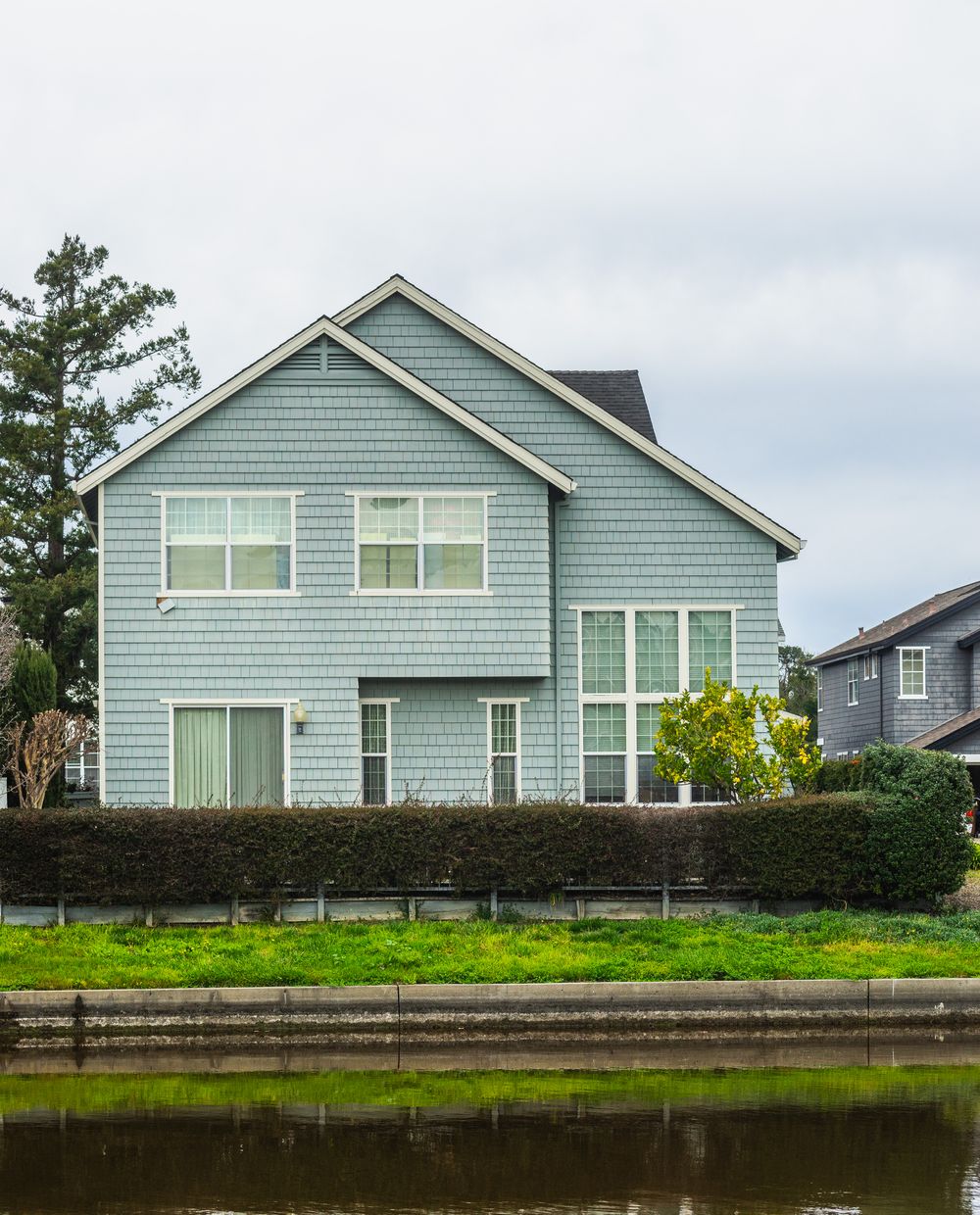
Siding
New siding and trim that sheds water, handles the weather and makes the house look sharp again.
Learn more
Windows
Replacement windows that seal tight and open easy, and take the edge off a Wisconsin winter.
Learn more
Decks
Wood decks and railings built level and solid, sized for the way you use the yard.
Learn moreWhere we work
Painting across Twin Lakes and 19 towns.
We work about 45 minutes out from Twin Lakes, in southeast Wisconsin and northern Illinois. Tap your town.
Where this information comes from
We checked the details on this page against public sources. Rules and fees change, so confirm anything specific with your local building office or with us.
- Purdue Extension NCR-135: Selection and Application of Exterior Finishes for Wood
- USDA Forest Products Laboratory: exterior wood finishing handbook
- EPA: Renovation, Repair and Painting Program, Contractors
- EPA: Renovate Right, lead-safe guide for homeowners
- EPA: Lead-safe work practices for contractors
- EPA: A Brief Guide to Mold, Moisture and Your Home
- EPA: Volatile Organic Compounds' Impact on Indoor Air Quality
- EPA: Indoor Air Quality in Homes, Painting (archived)

Free estimate
Ready to talk painting?
Tell us what you've got in mind. We'll set up a time to look at it, and you'll get the scope and price in writing, with the design work on us.
- Free written estimates and free designs
- Discounts for military, seniors, teachers, 1st responders and people with disabilities
- Twin Lakes, WI and about 45 minutes around it