
Roofing in Twin Lakes, WI
Roof replacements and repairs that start with the deck, ice protection, flashing and ventilation, not just the shingles you can see.
Roofing
A roof that keeps the weather out.
A roof does its work in the worst weather of the year. Snow, ice, wind and summer storms all test it, and small failures tend to stay hidden until water shows up on a ceiling. Pembroke Construction LLC replaces and repairs roofs for homeowners in Twin Lakes and the towns nearby. We look at the whole system: the roof deck, the underlayment, the flashing at chimneys and walls, and the attic ventilation under it all.
Kyle Pembroke gives you a free written estimate and explains what we find in plain terms. We are a licensed, insured and bonded contractor, and one crew handles the job from the first measurement to the final sweep. We also offer discounts for military, seniors, teachers, first responders and people with disabilities, so ask when you call.
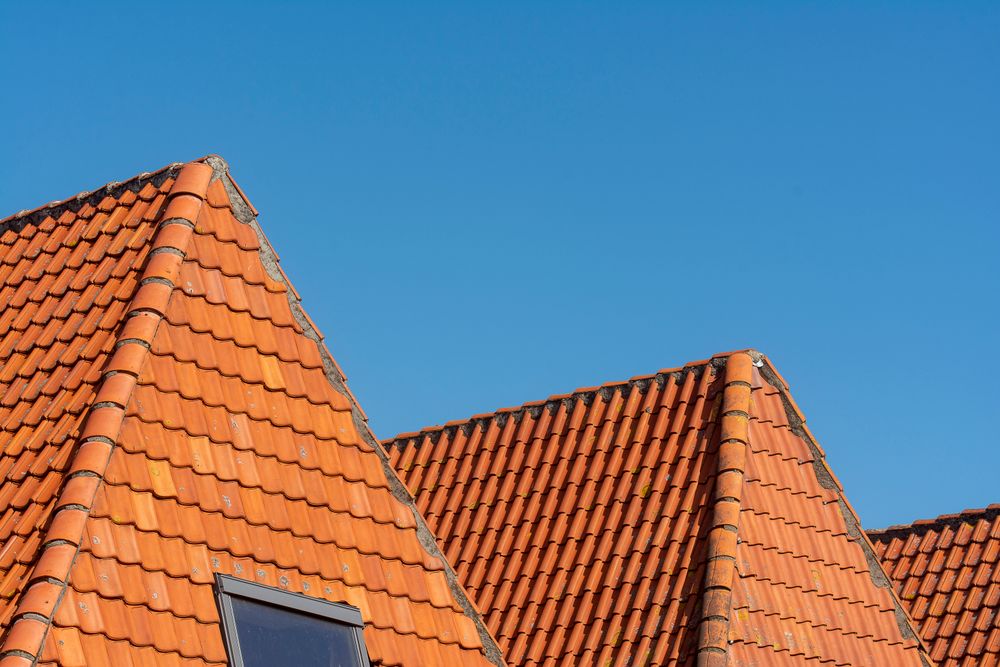
What we do
What we handle on a roofing job.
Here is what is included, so you know what you are getting before you call.
Full roof replacement
Old roofing removed down to the deck, problem areas repaired, and a complete new roof system installed.
Roof repairs and leak tracing
Missing shingles, lifted flashing and slow leaks traced to the source, then repaired properly.
Flashing and chimney details
Step flashing at walls, liners in valleys, kickout flashing and chimney flashing, where leaks often start, rebuilt to shed water.
Underlayment and ice protection
Underlayment over the deck, plus an ice barrier membrane at the eaves and a liner in valleys.
Attic ventilation upgrades
Intake and exhaust vents checked and balanced, and insulation kept clear of soffit vents, so the attic stays cold in winter.
Vents, boots and penetrations
Vent stacks and pipe boots replaced while the roof is open, since the seals around pipes wear from sun, heat and cold.
Signs it's time
How to tell it's time to call.
If a few of these sound like your place, it's worth a visit. We'll look at it and tell you straight what we would do.
- Shingles are curling, cracked, bald in spots or missing after storms.
- You see stains on ceilings, or daylight in the attic.
- Icicles, ice behind gutters or wet exterior walls show up each winter.
- Shingle granules collect in the gutters or at the downspouts.
- Flashing around the chimney or walls is rusted, loose or cracked.
How it works
How a roofing job goes, step by step.
From the first measurement to the final walk-through, you'll know what's happening and what comes next.
Inspect and estimate
We look at the roof surface, flashing, vents and attic, including insulation and signs of air leaks, and explain what we find. You get a free written estimate that spells out the work in plain terms.
Permits and prep
Permits and inspections go through your local municipality, and we walk you through them. Some towns require a reroofing permit and others do not, so we check yours. Then we protect the landscaping and set up for tear-off.
Tear-off and deck check
Old roofing comes off down to the deck, and we look for soft, warped or damaged sheathing. Rotted boards get replaced. Stripping to the deck also avoids the layer limits that most codes set on stacked roof coverings.
Underlayment and flashing
An ice barrier membrane runs up from the eaves, a liner goes in the valleys, and underlayment covers the deck. Drip edge, step and kickout flashing and pipe boots go in before the shingles.
Roofing and cleanup
Shingles or metal panels go on following the maker's instructions, and vents are set. Seal strips need warmth to bond, so cold-weather work may call for hand-sealing. We clean the yard and go over the finished work with you.
Your options
Roofing materials and choices
The right roof depends on your house, your plans for it and how long you expect to stay.
Asphalt shingles
A widely used covering in many colors and thicker styles. Ask for the wind class: ASTM D7158 Class D, G and H are rated to 115, 150 and 190 mph.
Metal roofing
Steel or aluminum panels or shingles. Snow can slide off metal in sheets, so ask about snow guards above doors and walkways.
Underlayment and ice protection
Ask what goes under the roofing. NRCA recommends a self-adhering ice barrier membrane where January averages 30 degrees or colder, run at least 24 inches inside the wall line.
Ventilation options
Intake at the eaves and exhaust near the peak work together. Wisconsin's code sets vent area at 1/150 or 1/300 of ceiling area, based on the high-low split.
Color and style
Lighter roofs reflect more sun and darker ones absorb more. Look at samples against your siding and trim before deciding.
Local know-how
Built for Wisconsin.
Wisconsin roofs go through months of cold, snow and ice. Southeast Wisconsin's long-term January average is about 19 degrees, well under the 30 degrees where NRCA recommends an ice barrier membrane along the eaves. Ice dams form when heat leaks into the attic, melts snow, and the water refreezes at the cold edge, so Focus on Energy recommends sealing air leaks and R-49 or more attic insulation, and ENERGY STAR says insulation should never block soffit vents. Ask any roofer how they will handle the eaves and attic.
Wisconsin's code (SPS 322.39) sets attic vent area from ceiling area at 1/150 or 1/300, with part of it high on the roof and the rest in the lower half. ARMA notes most codes allow no more than two roof coverings, and local rules vary. Reroofing permits differ by town, and some ordinances say that replacing more than 25 percent of a covering in twelve months means the whole covering must meet code. On older houses, EPA notes some roofing is asbestos-cement.
Questions
Roofing questions.
The things homeowners ask us most about this work. Don't see yours? Just call.
Prefer to talk it through? Call and ask for a free estimate.
Do I need a permit to replace my roof?
It depends on your municipality. Some Wisconsin municipalities list reroofing among required permits, and others exempt it. Some ordinances also say that replacing more than 25 percent of a roof covering in a year means the whole covering has to meet code. Permits and inspections go through your local village, town or city, and we walk you through them.
How do I know if I need a repair or a full replacement?
Isolated damage, like a few lifted shingles or a failed flashing, can often be repaired. Widespread curling, bare spots, repeated leaks or rotted decking usually point toward replacement. Recovering over old shingles is an option only on a sound deck, and most codes allow no more than two roof coverings. We look at the roof and the attic, explain what we see and give a free written estimate. If a repair makes sense, we will say so.
What causes ice along my eaves in winter?
Ice buildup at the eaves usually starts with heat leaking into the attic, which melts snow that then refreezes at the cold edge. Michigan State Extension and a University of Minnesota study point to air leaks, thin insulation and weak ventilation as the causes. Focus on Energy recommends R-49 or more in Wisconsin attics. An ice barrier membrane along the eaves helps stop leaks but does not cure the cause. Ask any roofer how they plan to address it on your house.
What should I ask a roofer before signing?
Ask about license and insurance (we are licensed, insured and bonded), and how they handle the deck, flashing, ice protection and ventilation. Ask what is going under the shingles at the eaves and in valleys, which wind class the shingle carries, and whether the written estimate lists it all. A specific, plain answer is a good sign. If a contractor will not put it in writing, keep looking.
My house is older. Is there anything special to know?
Older homes can hide surprises, like thin or rotted sheathing, worn flashing and, in some cases, asbestos-cement roofing or shingles, which EPA lists among materials found in older houses. Do not cut, scrape or break suspect material yourself. A qualified professional can sample and test it, and we will talk through what we find before the plan changes.
Does the time of year matter for roofing in Wisconsin?
Roofing goes on in many conditions, but cold, wet or icy weather can slow the work. Asphalt shingles get less flexible below about 40 degrees F and crack more easily, and their seal strips need warmth to bond, so crews sometimes hand-seal in cold weather. Spring through fall gives more room to schedule. A leak should not wait for the right season, though. Call (262) 758-7007 and we will talk through next steps.
Related services
Often done together.
Most jobs touch more than one trade. One crew keeps them on the same schedule.
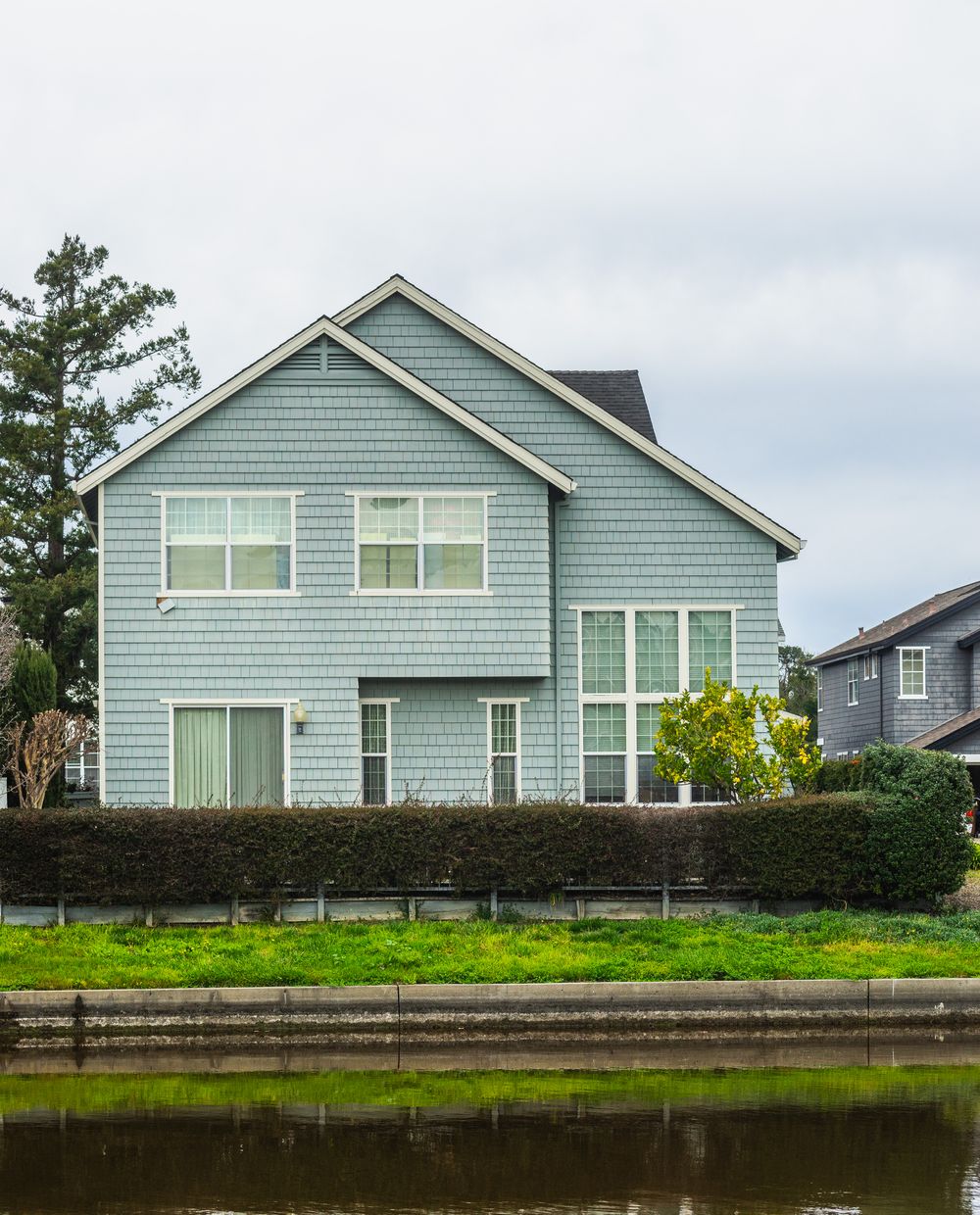
Siding
New siding and trim that sheds water, handles the weather and makes the house look sharp again.
Learn more
Windows
Replacement windows that seal tight and open easy, and take the edge off a Wisconsin winter.
Learn more
Painting
Careful prep, clean lines and finish coats that hold up, inside and out.
Learn moreWhere we work
Roofing across Twin Lakes and 19 towns.
We work about 45 minutes out from Twin Lakes, in southeast Wisconsin and northern Illinois. Tap your town.
Where this information comes from
We checked the details on this page against public sources. Rules and fees change, so confirm anything specific with your local building office or with us.
- Rochester, WI: Uniform Building Code ordinance (reroofing permit and 25 percent rule)
- Clear Lake, WI: building code ordinance (re-roofing exempt from permit)
- Town of Fountain Prairie, WI: Uniform Dwelling Code ordinance (re-roofing exempt)
- Wisconsin DSPS: SPS 320 to 325 Appendix A (model ordinance, reroofing exemption choice)
- EPA: Asbestos in Your Home (archived copy)
- Wisconsin DSPS: One- and Two-Family Uniform Dwelling Code
- Wisconsin Administrative Code SPS 322 (page includes SPS 322.39, attic and roof ventilation ratios)
- DOE Building America Solution Center (PNNL): Calculating attic passive ventilation
- ENERGY STAR: About attic ventilation
- Michigan State University Extension: Tips to prevent ice dams from forming on your home
- University of Minnesota: Ice Dam Symptoms and Solutions for a Cold-Climate Roof
- NRCA, Professional Roofing: Tech Today (ice barrier recommendation, November 2014)
- NRCA, Professional Roofing: Technical Elements (ice dams, cold-weather shingles, January 2008)
- NRCA, Professional Roofing: Understanding asphalt shingle standards (wind classes, February 2021)
- ARMA: Reroofing, replacement vs recover (layer limits and deck condition)
- Fine Homebuilding: Ice-dam protection, how far up the roof slope (ice barrier width and limits)
- Fine Homebuilding: Critical roof flashings keep water out (step, kickout, valley and pipe boot flashing)
- Wisconsin State Climatology Office: Southeast Wisconsin average monthly temperatures, 1895 to 2023

Free estimate
Ready to talk roofing?
Tell us what you've got in mind. We'll set up a time to look at it, and you'll get the scope and price in writing, with the design work on us.
- Free written estimates and free designs
- Discounts for military, seniors, teachers, 1st responders and people with disabilities
- Twin Lakes, WI and about 45 minutes around it